Application Review
Share total dynamic head, basin depth, fixture load, and discharge requirements. The response focuses on pump family, horsepower range, and control style rather than vague product matching.
Reliable pump service starts before the box is opened. Liberty Pumps helps contractors compare head pressure, basin dimensions, solids handling, alarm needs, and float-switch control so replacement work can move with fewer surprises.
Support is organized around the moments where crews lose time: confirming the right model, gathering parts, coordinating dealer pickup, and documenting a service path after installation.
Share total dynamic head, basin depth, fixture load, and discharge requirements. The response focuses on pump family, horsepower range, and control style rather than vague product matching.
Float switches, alarms, check valves, covers, and replacement kits are grouped by service scenario so a technician can quote the full repair instead of chasing one piece at a time.
Requests can be routed toward local counters or regional supply partners, helping installers find stocked items for urgent basement, drain, and sewage pump work.
When a serial number, model, or installation condition needs review, Liberty Pumps support helps collect the right details for a cleaner warranty or service conversation.
The goal is steady coordination. A facility manager may need a sewage ejector package with clear alarm guidance; a plumbing contractor may need a direct replacement before the next appointment; a supply counter may need model notes that prevent a second trip. This service flow keeps those needs in one practical sequence.
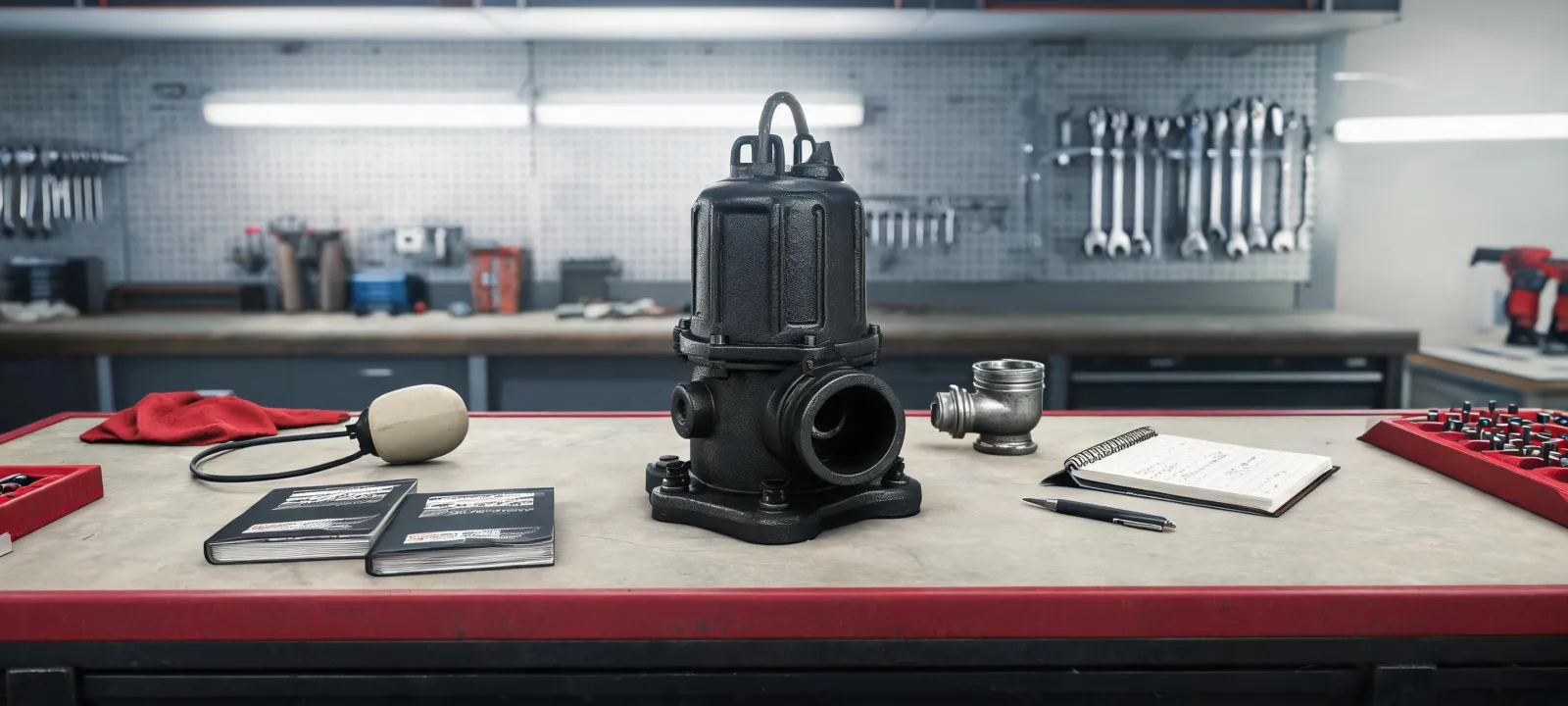
Include model number, basin size, discharge height, voltage, and any alarm or float behavior. The more complete the field notes, the faster the support path.