Why a Liberty Pumps System Can Fail Even When the Pump Is Fine
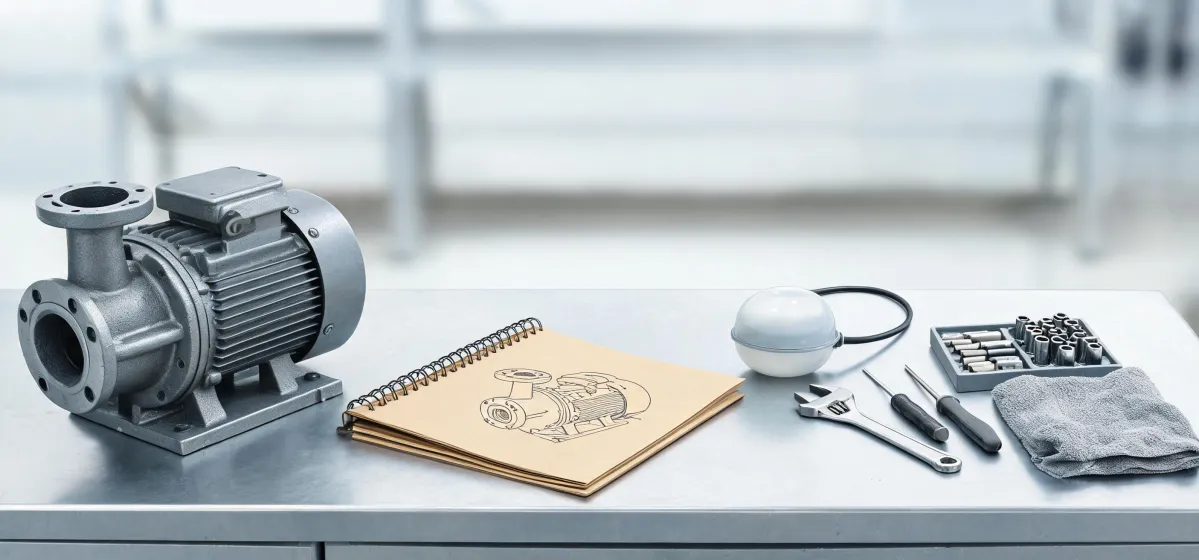
The phone call usually starts the same way: “The pump you sold me is bad.” It won't turn on. It won't shut off. The alarm's been going off for hours, and the pit is full again.
Then we get the pump back, run it on the bench, and it works. That's not a feel-good story. It's a clue.
I'm a quality/compliance manager at Liberty Pumps. I review packaged systems before they go to dealers—roughly 200+ unique configurations a year. Since I tightened our verification protocol in 2022, I've rejected close to 4% of first deliveries for spec or documentation issues. But the failures that keep me up at night don't happen in our shipping area. They happen months later, in a basement or mechanical room, and they usually trace back to the system around the pump.
The February 2024 field failure changed how I think about this. An installer bought a 1 HP submersible pump for a sewage ejector pit. He picked the biggest motor he could fit, but the pump wasn't designed to handle solids and the float placement created constant short cycling. Six weeks later, the motor burned. In our test room, the pump ran. It wasn't a bad motor. It was a bad specification.
When I say “bad specification,” I do not mean a paperwork issue. I mean the product was never given a chance to do the job it was installed for. It took me about 200 returned units and four years of warranty reviews to understand that distinction. Once you see it, it's hard to ignore.
Pump Class Is Not the Same as Horsepower
A bigger motor doesn't fix the wrong impeller. Pump performance is a curve, not a single horsepower rating. A 1 HP submersible pump may have impressive flow at low head, but at 20 feet of total dynamic head, the flow can drop below what the fixtures need. When that happens, the pump runs longer than the motor duty cycle allows.
Horsepower also doesn't fix the wrong pump class. For example, a Liberty Pumps condensate pump is designed for fresh water from air conditioners, furnaces, and dehumidifiers. It is not a sewage pump. If you install one in a sewage pit, it will clog. I don't care how many amps it draws. Clogging is a function of the inlet and impeller, not the motor.
This is where communication failures happen. A dealer will say “I need a sewage pump.” The person on the other end thinks “any pump that can handle waste.” Those are not the same thing. A sewage ejector pump that moves up to 2-inch solids is different from a grinder pump that shreds material before pushing it through a small discharge line. A 1 HP submersible pump built for clear water is different from an effluent pump. We were using the same words and meaning different things. That mismatch can show up months later as a warranty claim.
The Float Switch Is Where Systems Go to Die
The next layer is control. A pump is a simple machine. The float switch tells it when to run, and the basin gives it enough water to cool the motor and cycle properly. If the switch is mounted wrong, the pump can short-cycle. Short cycling starts the motor hot, and the repeated start current is what eventually kills the windings.
I've opened returned pumps that thermal-overloaded because the float was tied up against the discharge pipe. The motor cooled down and tested fine the next day. But in the field, it had been running for thirty seconds every few minutes for weeks. That is a system design problem, not a pump defect.
This is why complete packages matter. Controls, basin size, float travel, alarm, and pump are not optional accessories. They are the system.
This Is the Same Mistake You See in Other Trades
Once I started reviewing failures this way, I saw the pattern everywhere. A 180 Pro MIG welder is a good light-to-medium fabrication machine. It is not the right tool for welding half-inch structural plate all day. That doesn't make the welder bad. It makes the application wrong.
Ask ten contractors what grit grinding wheel to sharpen mower blades, and you'll get ten answers. A nicked blade needs a coarser wheel to remove material. A slightly dull blade only needs a light pass with a finer wheel. What grit is “right” depends on the blade—just like what pump is “right” depends on the water, head, and fixture load.
What a Spec Mismatch Costs
On a single job, the cost starts with a service call. In most markets, that's $250 just to show up. If the pump has to be pulled, the pit inspected, and the discharge pipe reworked, labor can reach $700 to $1,200. If the overflow reaches finished space, you're looking at four figures in damage before you replace the pump.
For distributors, there's a quieter cost. In our Q1 2024 audit of returned pumps, about 70% ran within spec when we tested them. They were either misapplied, miswired, or paired with a control system that didn't match the pump. We processed those warranty claims anyway. But every claim consumed freight, time, and customer trust.
That trust is the real price. When a pump fails because the system around it is wrong, the pump gets blamed. I understand why. But I'd rather prevent that phone call than explain it.
The Fix: Spec the Whole System, Not Just the Pump
Start with the water condition and the head. Are you moving groundwater, air-conditioner condensate, sewage with solids, or effluent from a septic tank? What is the total dynamic head from pump to discharge? How often will the pump cycle? What controls it?
For many residential and light commercial sewage ejector jobs, a pre-engineered package will give you the shortest path to a reliable installation. A system like the Liberty Pumps simplex sewage system P382LE51 includes the pump, basin, lid, and controls as a matched set. You don't have to figure out whether the float will work with the basin or whether the cover will fit the discharge. The engineering is already done.
If you're only removing condensate from an HVAC system, don't oversize the job. Use a Liberty Pumps condensate pump and be done with it. If you're moving groundwater, a 1 HP submersible pump can be a solid option, but only if the basin and float switch are matched to the pump and the expected inflow. Add a check valve in the discharge line to prevent backflow and reduce cycling.
Per FTC advertising guidance, product claims need to be truthful and substantiated. That's why I won't promise a pump will run forever. Instead, I'll tell you this: a properly specified pump has a much better chance of running for a long time.
Honest Limitations: When a Package Isn't the Answer
I'm not going to pretend a simplex package is right for every situation. If you have a high-occupancy commercial bathroom or multiple fixtures discharging into one pit, you may need a duplex system or a grinder pump. If the discharge line is long or runs uphill, a grinder pump might give you more reliability than a larger submersible pump. If you are dealing with high groundwater and power outages, a battery backup sump pump system is the better investment.
No single pump is “the best.” The best choice is the one that matches the conditions. That's not a disclaimer. It's the difference between a product that works and a product that fails through no fault of its own.
So take it from someone who sees the returns: don't buy a pump. Buy a system. If you put the right pump, controls, basin, and check valve together, you'll rarely need to make that 6 a.m. phone call.

Maren Jorgensen
Maren Jorgensen is an independent hand tool and torque applications analyst covering wrenches, pliers, screwdrivers, hammers, sockets, ratchets, hex keys, and tool sets. She applies ISO 6789-1 torque-tool conformance principles while examining jaw capacity, leverage, fastener engagement, torque range, accuracy, handle geometry, and material hardness. Her practical guides help tradespeople and procurement teams select suitable tools, plan controlled tightening, and compare durability without relying on brand reputation alone.